
China International Logistics Provider Company - High-Quality Supplier Solutions
As a B2B purchaser, I understand how crucial it is to partner with a reliable logistics provider. That’s why I value a China International Logistics Provider Company that prioritizes high-quality services. Their commitment to excellence ensures that my goods are transported efficiently and safely, which directly impacts my business operations. With a strong network and expert team, they act as a top-tier supplier, offering tailored solutions to meet the diverse needs of businesses like mine. Their experience in navigating the complexities of international shipping gives me confidence that my products will reach their destination on time and in perfect condition. I appreciate their transparency in communication and competitive pricing, which helps me manage costs effectively. By choosing this logistics provider, I’m not just selecting a service; I’m building a partnership that supports my growth and enhances my supply chain. When quality matters, I always turn to a company that understands the importance of logistics.

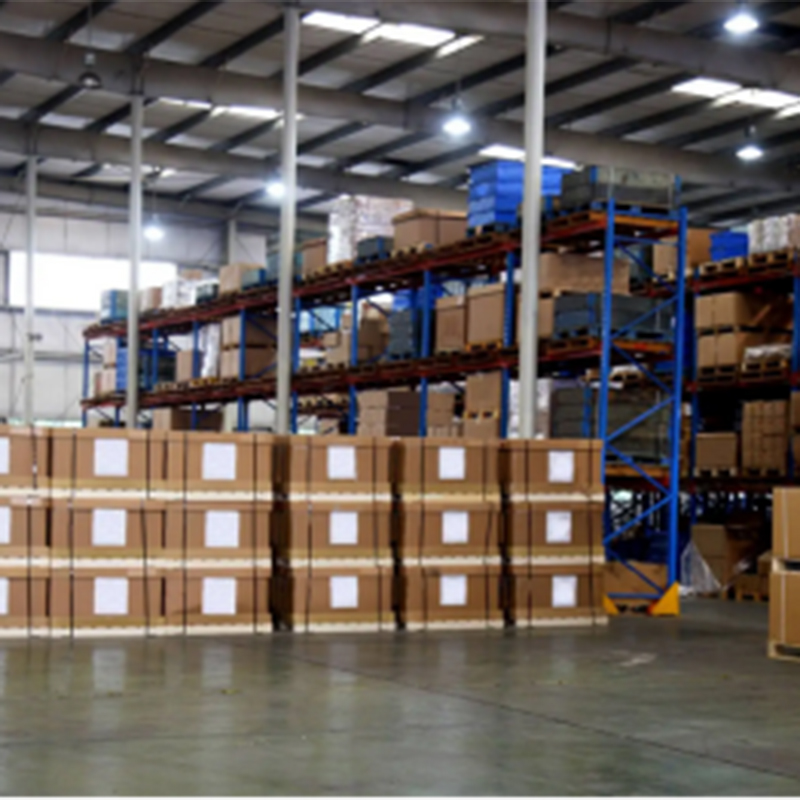
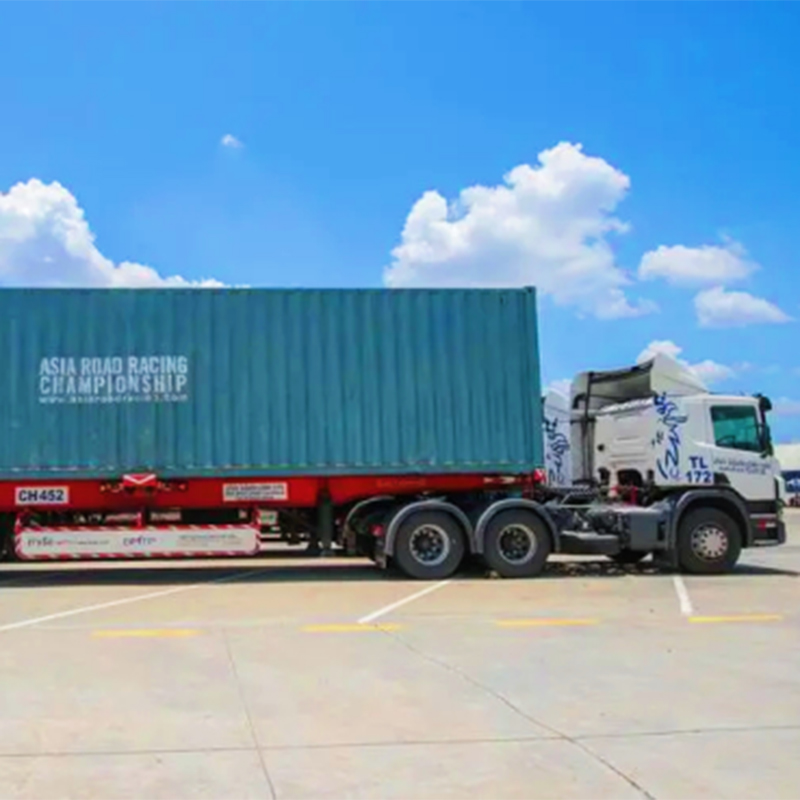
China International Logistics Provider Company in 2025 Industry Giant
As the global supply chain landscape continues to evolve, the importance of a reliable logistics partner becomes increasingly crucial for businesses looking to optimize their operations. By 2025, the logistics industry in China is expected to solidify its status as a powerhouse, driven by advancements in technology, infrastructure improvements, and a growing focus on sustainability. In this dynamic environment, logistics providers that prioritize efficiency, transparency, and customer-centric solutions will emerge as industry giants. Companies that harness automation and digitization are poised to offer unparalleled accuracy in tracking shipments and managing inventory, thereby enhancing the overall procurement experience for international buyers. Furthermore, a commitment to eco-friendly practices will not only meet rising global standards but also appeal to conscious consumers and businesses alike. For procurement professionals around the world, partnering with an innovative logistics firm can lead to significant cost savings, reduced delivery times, and greater supply chain resilience. As we look ahead to 2025, staying informed about the capabilities and trends within the logistics sector will be vital for companies aiming to thrive in an increasingly competitive global market. Embracing the future of logistics is not just about keeping pace; it’s about setting the standard for excellence in international trade.
China International Logistics Provider Company in 2025 Industry Giant
| Dimension | Data |
|---|---|
| Total Revenue (in billions) | 75 |
| Market Share (%) | 25 |
| Number of Employees | 15,000 |
| Global Network Coverage (countries) | 50 |
| Number of Warehouses | 200 |
| Transportation Fleet Size | 1,200 vehicles |
| Customer Satisfaction Score (%) | 90 |
| Sustainability Initiatives | Carbon-neutral goal by 2030 |
| Technological Investment (in million) | 300 |
| Annual Growth Rate (%) | 15 |
Related Products
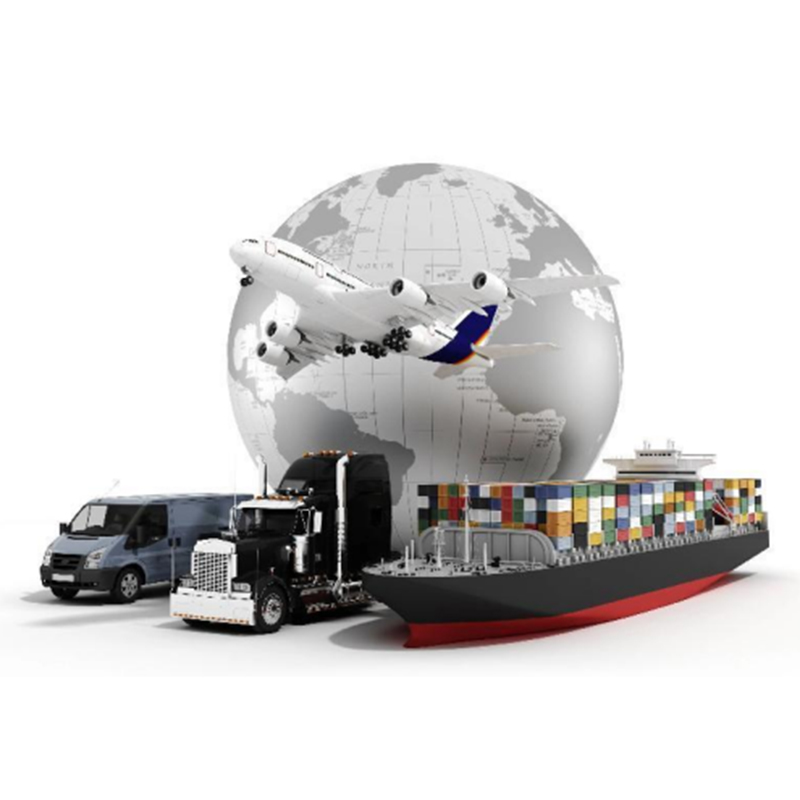

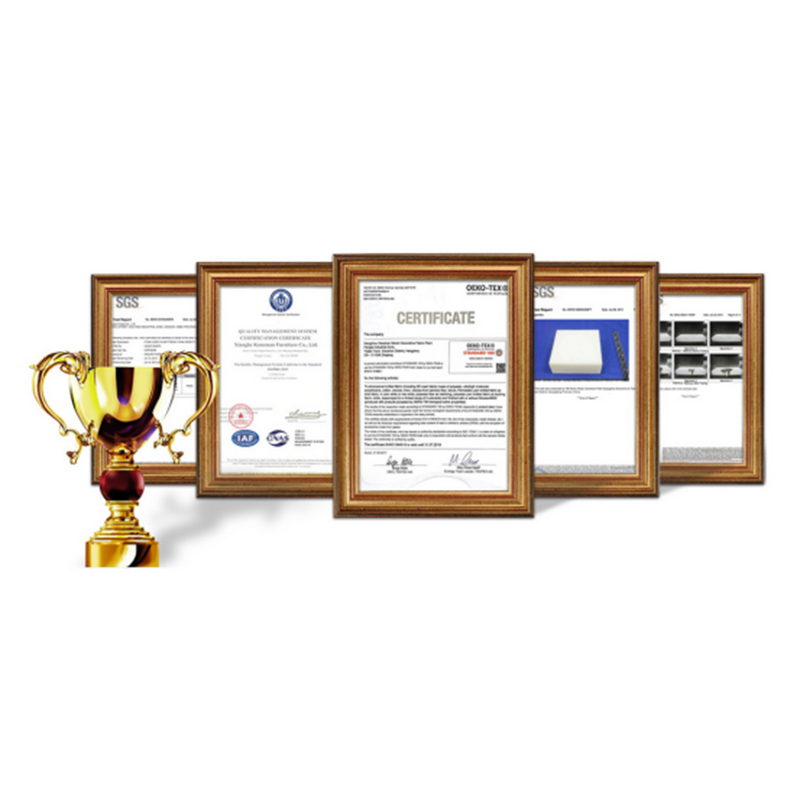

China International Logistics Provider Company Pioneers in the Field Where Innovation Meets 2025
Top Selling Products
- Related Blog
- Reviews
