
FedEx International Freight Solutions for China Manufacturers
As a business owner sourcing products from China, I understand the challenges of international shipping. That's why I've turned to FedEx International Freight for my shipping needs. Their reliable service ensures my shipments from various manufacturers arrive on time and in perfect condition. I appreciate the ease of tracking my freight, which gives me peace of mind during those crucial delivery windows. FedEx’s extensive network simplifies the process, making it easy to manage logistics and costs. Plus, their customer support is always there to help me navigate any shipping complexities. I’ve seen firsthand how choosing FedEx has helped my business streamline operations and stay competitive in the global market. If you're looking to transport goods from China efficiently, I highly recommend giving FedEx International Freight a try. It has truly transformed the way I handle my imports!

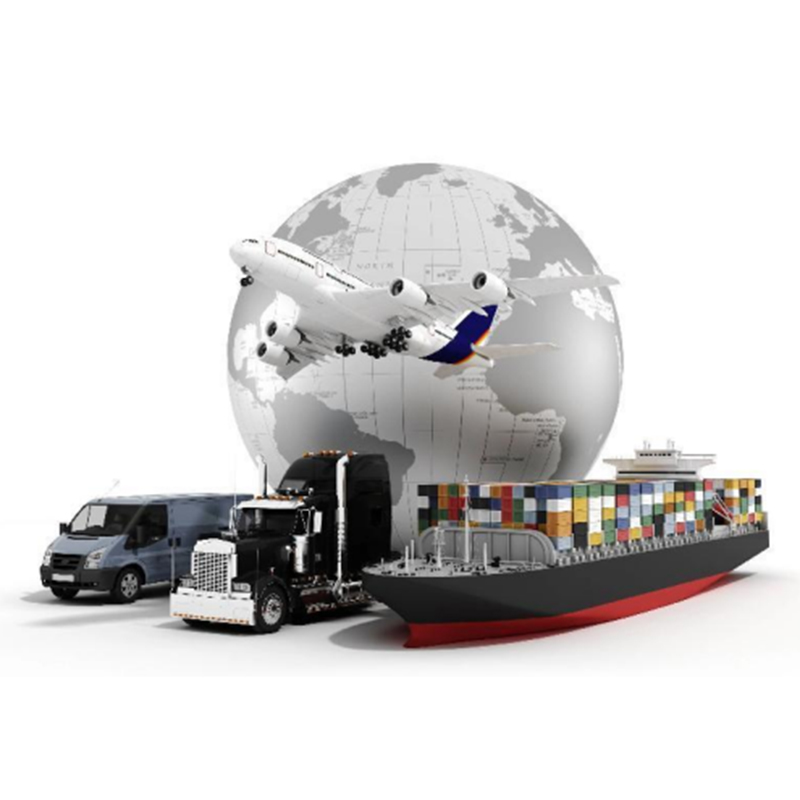

Fedex International Freight Leads the Global Market Winning in 2025
In the ever-evolving landscape of global logistics, the competition has intensified, with industry giants positioning themselves to lead in 2025. One key player in this arena is the international freight sector, which continues to innovate and streamline operations to meet the diverse needs of global procurement. As businesses look to expand their markets and optimize supply chains, understanding the dynamics of international freight is crucial for success. The global market presents vast opportunities, yet it also poses significant challenges such as fluctuating tariffs, customs regulations, and the need for sustainable practices. Companies that can navigate these complexities while offering reliable, efficient, and cost-effective solutions are poised to attract attention from international buyers. Emphasis on technology integration, such as advanced tracking systems and data analytics, allows freight providers to enhance transparency and improve service delivery, making them more appealing to procurement professionals. Looking towards 2025, a focus on collaboration and adaptability will be essential. Suppliers must align with logistics partners who demonstrate a commitment to innovation and customer-centric approaches. As globalization continues to shape consumer demands, the ability to respond swiftly to market changes and maintain high service standards will determine which companies emerge as leaders in the international freight space. For global buyers seeking dependable partners, investing in strategic logistics solutions today will pave the way for success in the future.
Fedex International Freight Leads the Global Market Winning in 2025
| Region | Market Share (%) | Growth Rate (%) | Market Size (Billion USD) | Key Drivers |
|---|---|---|---|---|
| North America | 35.2 | 4.5 | 50.0 | E-commerce Growth, Regulatory Changes |
| Europe | 29.8 | 3.8 | 45.0 | Digital Transformation, Sustainability Initiatives |
| Asia-Pacific | 25.5 | 6.2 | 60.0 | Rapid Urbanization, Trade Agreements |
| Latin America | 7.5 | 5.0 | 10.0 | Infrastructure Development, Trade Liberalization |
| Middle East & Africa | 2.0 | 4.0 | 5.0 | Economic Diversification, Technological Adoption |
Related Products
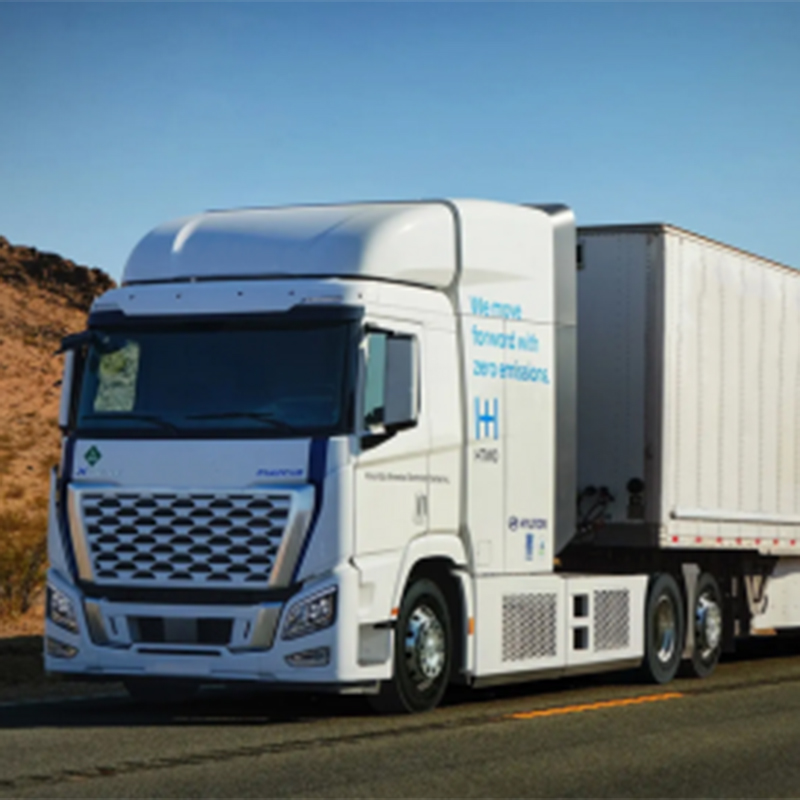
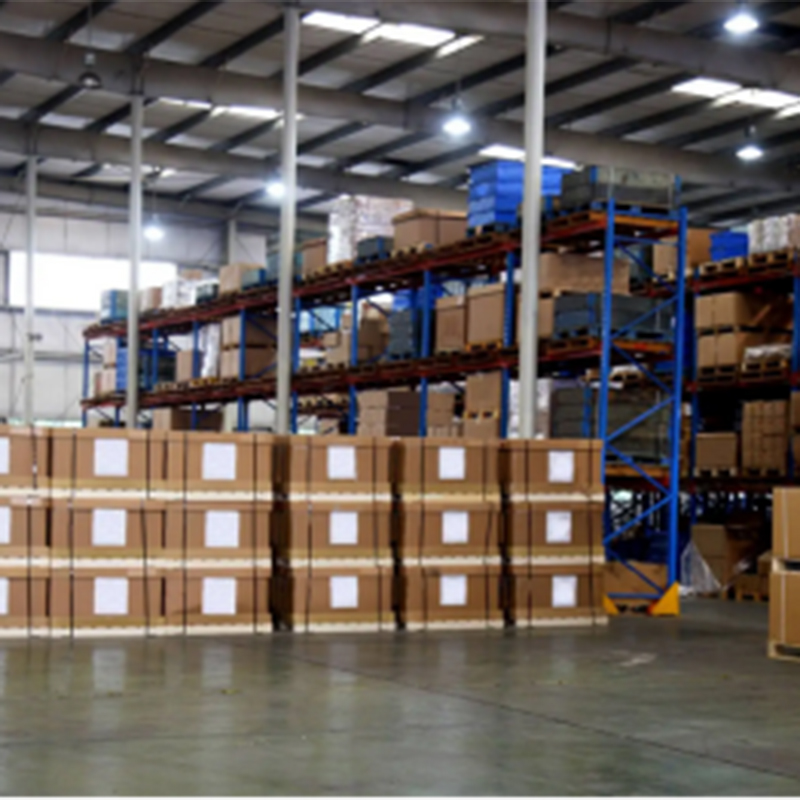
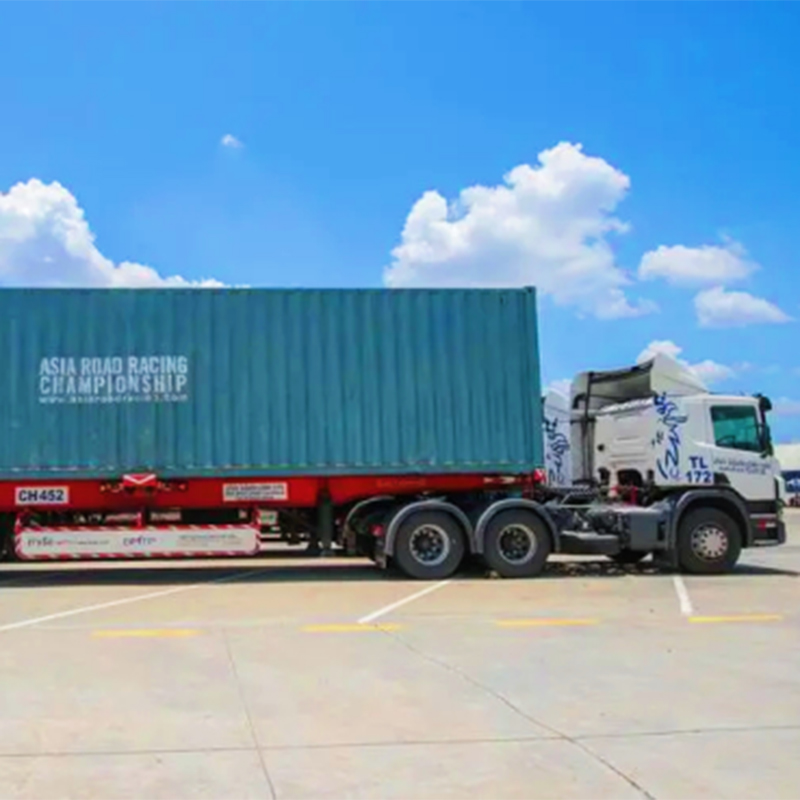
Fedex International Freight Supplier Pioneers in the Field
Top Selling Products
- Related Blog
- Reviews
