
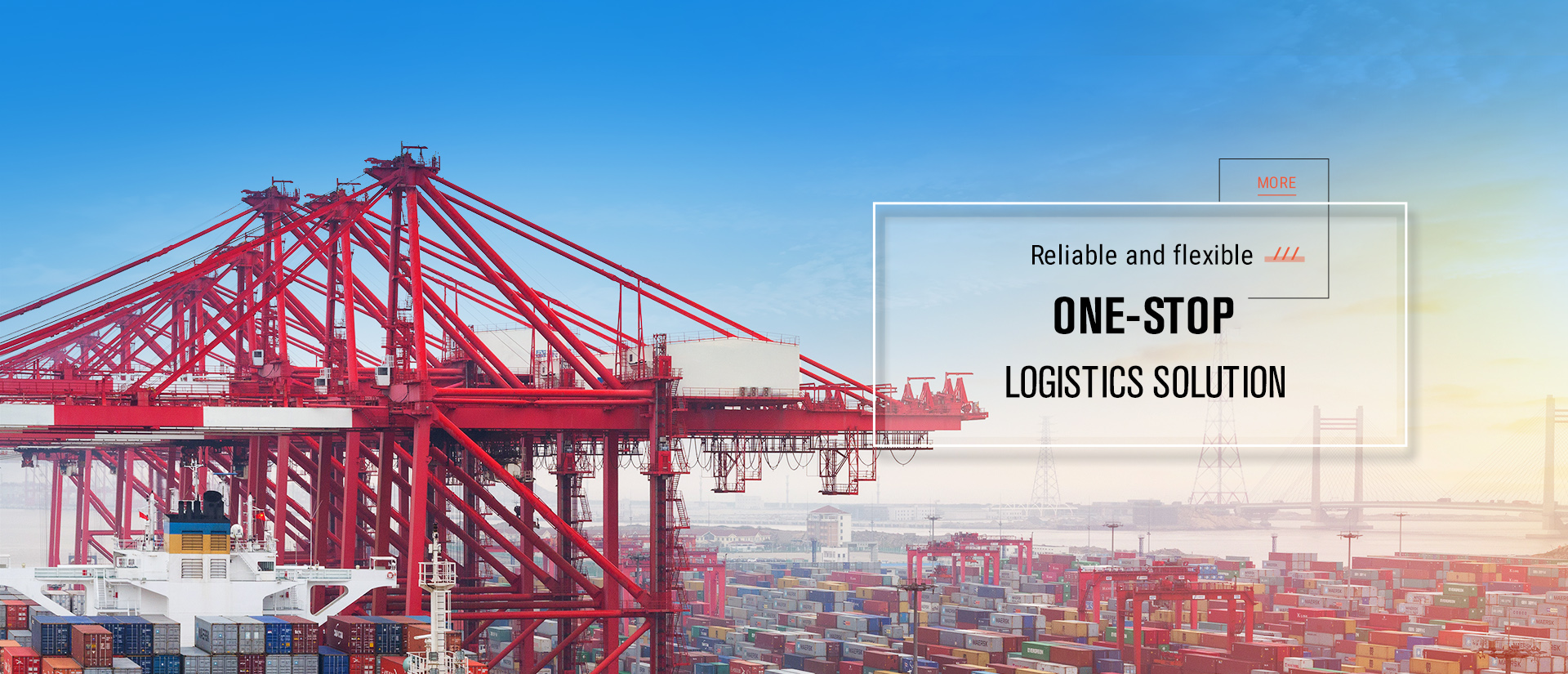
Southeast Asia Freight Forwarders for OEM Suppliers and Shipping Solutions
When I think about reliable logistics in Southeast Asia, I remember how crucial choosing the right freight forwarder is for my business. Southeast Asia Freight Forwarders connect me with trusted OEM suppliers who understand the intricacies of regional trade. Their expertise not only simplifies shipping processes but also ensures my products reach their destination on time and intact. With their tailored solutions, I can focus on growing my business instead of worrying about the logistics. The forwarders I work with are well-versed in customs regulations and can handle everything from documentation to warehousing. They've transformed my supply chain by offering competitive rates and real-time tracking, which helps me keep my clients updated. If you're in search of efficiency in your shipping needs and need to liaise with quality suppliers, partnering with Southeast Asia Freight Forwarders could be a game changer for your operations. I can confidently say it’s one decision that has positively impacted my bottom line.
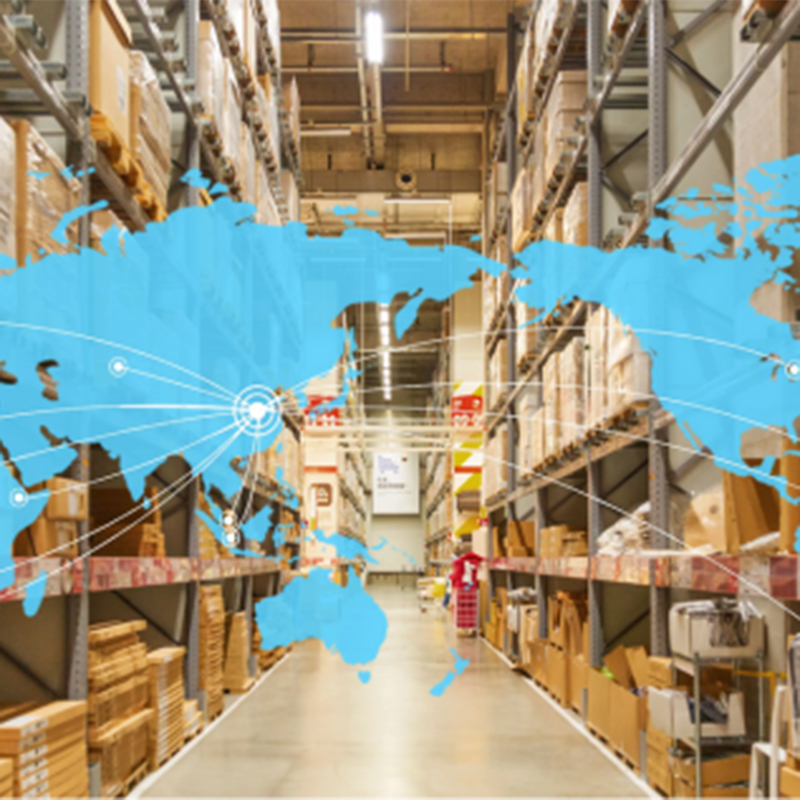

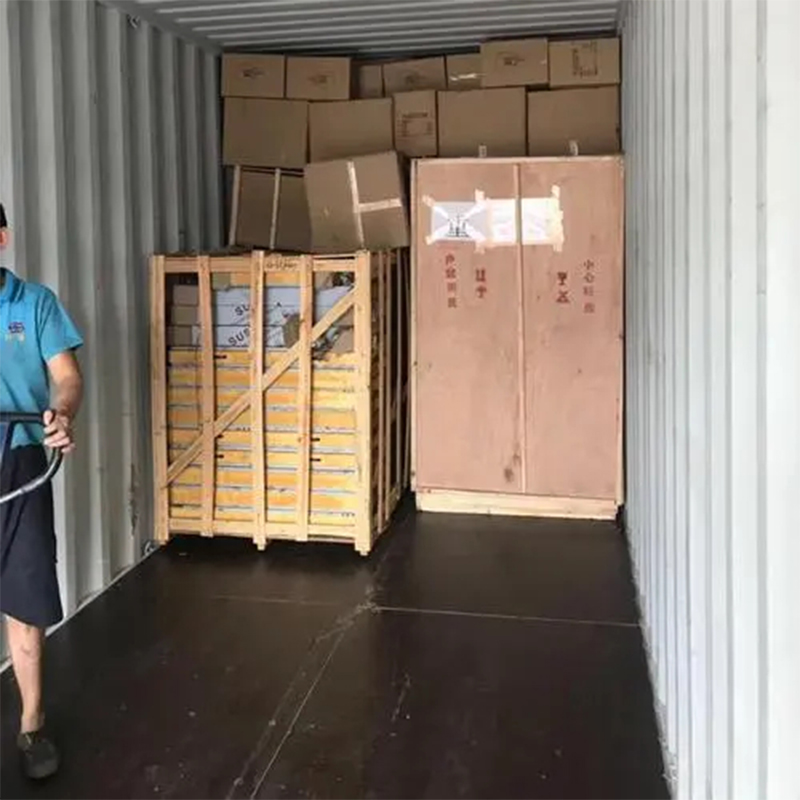
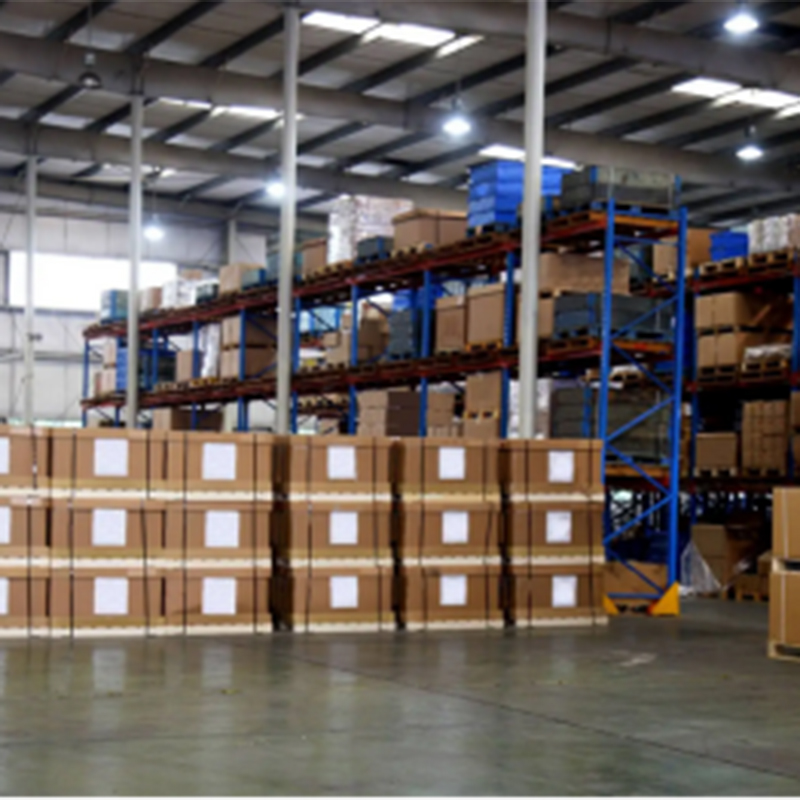
Southeast Asia Freight Forwarders Ahead of the Curve Leads the Global Market
Southeast Asia has evolved into a vital hub for global trade, with freight forwarders in this region leading the innovation curve to meet the increasing demands of international procurement. With the rapid expansion of e-commerce and manufacturing, logistics providers in Southeast Asia have adapted to the changing landscape by integrating advanced technologies, optimizing supply chain processes, and cultivating strong regional partnerships. This strategic positioning enables them to provide reliable and efficient freight solutions that directly benefit businesses looking to source products from this dynamic market. The agility of Southeast Asian freight forwarders not only stems from their geographic advantages but also from their commitment to sustainable practices. As environmental awareness increases among consumers, logistics companies are implementing greener shipping methods and focusing on reducing their carbon footprint. This forward-thinking approach not only enhances their market appeal but also aligns with the values of global buyers who prioritize sustainability in their procurement choices. Moreover, the ongoing investments in infrastructure within Southeast Asia are bolstering the capabilities of local freight forwarders. Enhanced ports, improved road networks, and modernized logistics facilities are facilitating quicker transit times and more reliable service. For global purchasers, partnering with these proactive and well-equipped freight forwarders offers the dual benefit of cost efficiency and speed—essential factors in today’s competitive market. By leveraging the strengths of Southeast Asia’s logistics sector, businesses can streamline their operations and achieve greater success in their international sourcing endeavors.
Southeast Asia Freight Forwarders Ahead of the Curve Leads the Global Market
| Region | Total Volume (TEUs) | Growth Rate (%) | Major Ports | Key Trends |
|---|---|---|---|---|
| Singapore | 37,200,000 | 5.3 | Port of Singapore | Digitalization in logistics |
| Malaysia | 23,800,000 | 4.8 | Port Klang | Sustainability practices |
| Vietnam | 18,100,000 | 6.0 | Port of Ho Chi Minh City | E-commerce logistics |
| Thailand | 16,500,000 | 3.9 | Port of Laem Chabang | Automation in ports |
| Indonesia | 12,300,000 | 4.5 | Port of Tanjung Priok | Infrastructure improvements |
Related Products



Southeast Asia Freight Forwarders Application Now Trending
Top Selling Products
- Related Blog
- Reviews
