
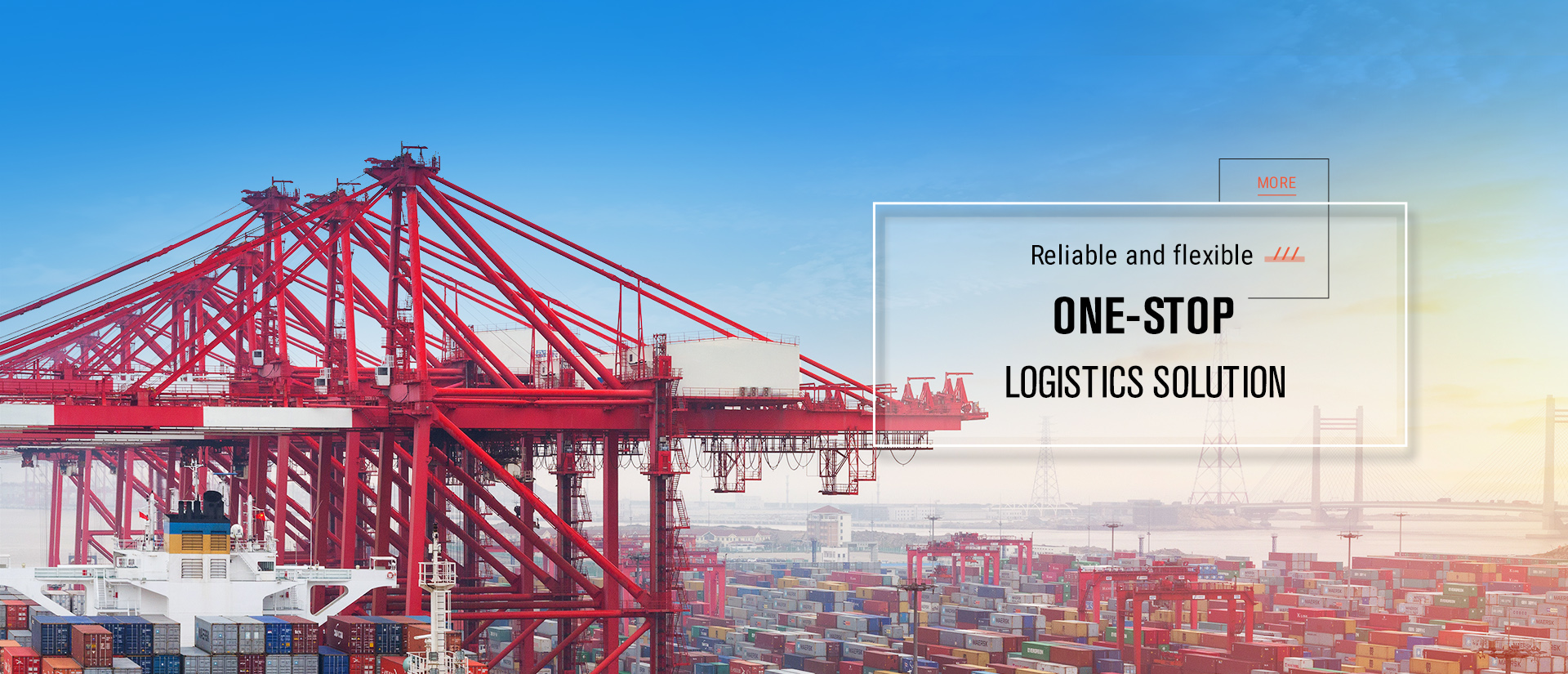
Effortless Shipment From China To Philippines with Trusted Manufacturers
When I think about the best ways to manage my shipments from China to the Philippines, efficiency and reliability are key. Sourcing products from reputable Chinese manufacturers has been a game changer for my business. Working directly with these manufacturers not only helps me cut costs but also ensures high-quality products. I’ve seen the difference it makes in delivery times when I trust my logistics to experts in shipments. There’s a strong network that specializes in navigating the complexities of international shipping, making it smooth for me to get my goods where they need to go. Plus, with the right partnerships, customs procedures become simpler. If you're in the B2B space and considering how to streamline your supply chain, I highly recommend exploring options for shipment from China to the Philippines. From negotiating with manufacturers to handling all the paperwork, it makes all the difference in boosting my business efficiency.

Shipment From China To Philippines Application Industry Giant
In today's globalized world, efficient shipping solutions play a crucial role in connecting markets and facilitating trade. For industries looking to source products from China to the Philippines, understanding the nuances of international logistics can make a significant difference in operational success. With the Philippines being a rapidly growing market with diverse applications ranging from electronics to construction materials, businesses need a reliable shipping partner to navigate the complexities of customs regulations, tariff classifications, and timely deliveries. One of the key advantages of shipping from China to the Philippines is the proximity of both countries, allowing for shorter transit times compared to other regions. This geographical advantage can lead to substantial cost savings and quicker turnaround times for businesses. Additionally, utilizing advanced logistics strategies can help streamline the supply chain process, ensuring that products arrive in optimal condition and on schedule. Companies interested in this route should consider factors such as containerization, consolidation of goods, and the various transportation methods available to optimize their shipments. Overall, embracing the logistics pipeline from China to the Philippines not only enhances procurement efficiency but also helps businesses meet the growing demands of their local markets. With the right shipping solutions, companies can focus on their core operations, fostering growth and competitiveness in an ever-evolving landscape.
Shipment From China To Philippines Application Industry Giant
| Product Category | Shipping Method | Transit Time (Days) | Documentation Required | Customs Duties (%) |
|---|---|---|---|---|
| Electronics | Air Freight | 5-7 | Commercial Invoice, Air Waybill | 12% |
| Textiles | Sea Freight | 20-30 | Bill of Lading, Packing List | 7% |
| Machinery | Air Freight | 7-10 | Commercial Invoice, Export License | 10% |
| Automotive Parts | Sea Freight | 25-35 | Bill of Lading, Import Declaration | 15% |
| Furniture | Sea Freight | 25-30 | Commercial Invoice, Packing List | 5% |
Related Products
Shipment From China To Philippines Winning in 2025 Your End-to-End Solution
Top Selling Products
- Related Blog
- Reviews
