
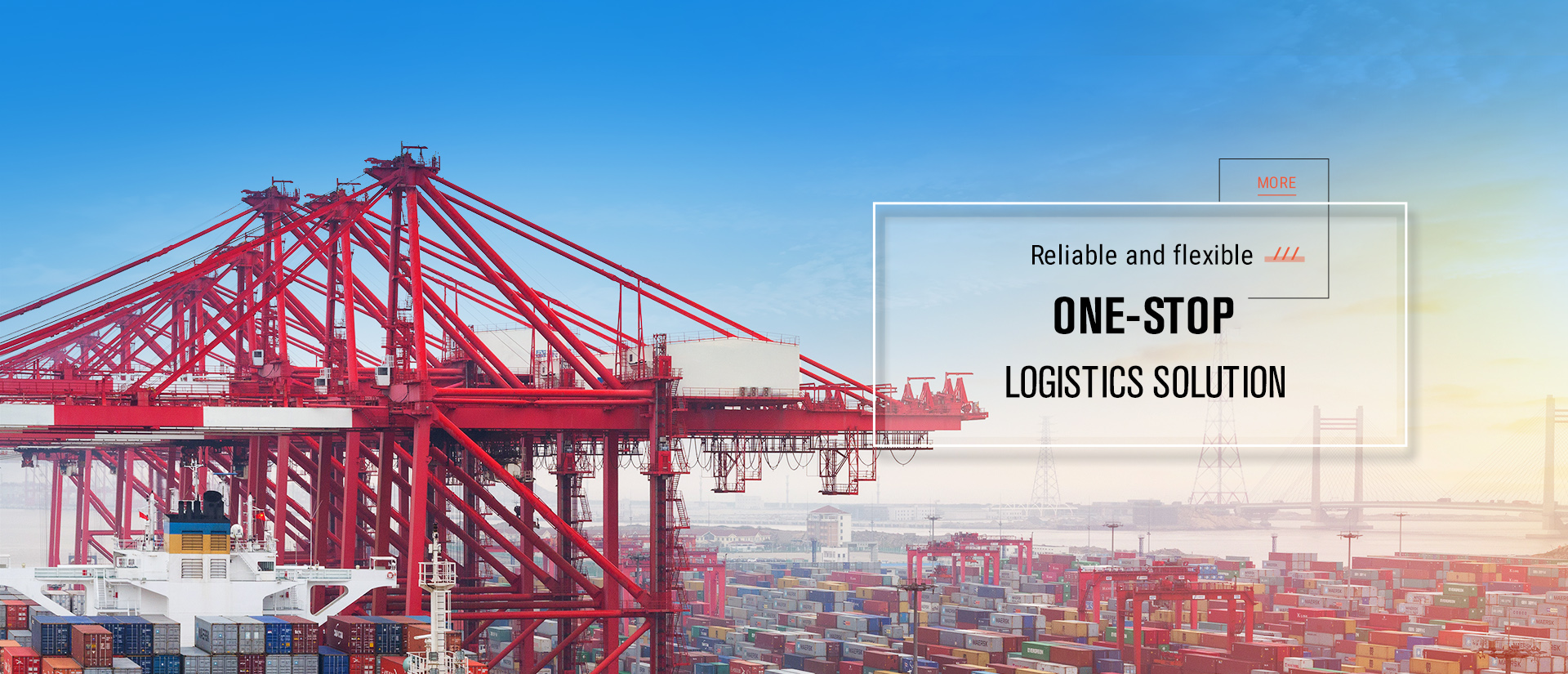
FCL and LCL in Ocean Logistics Management for OEM Suppliers
In the world of ocean logistics management, understanding the differences between FCL (Full Container Load) and LCL (Less than Container Load) shipping can significantly impact your supply chain efficiency. As an OEM, I know how crucial it is to find reliable suppliers who can navigate these shipping methods effectively. FCL allows for quicker transit times and reduced risk of damage, making it ideal for larger shipments. On the other hand, LCL provides flexibility for smaller loads, allowing us to optimize costs without sacrificing service. My goal is to help you streamline your logistics processes, ensuring that your products reach their destination on time and in perfect condition. By leveraging both FCL and LCL options, we can tailor a shipping strategy that meets the unique needs of your business. Let's work together to enhance your logistics management!

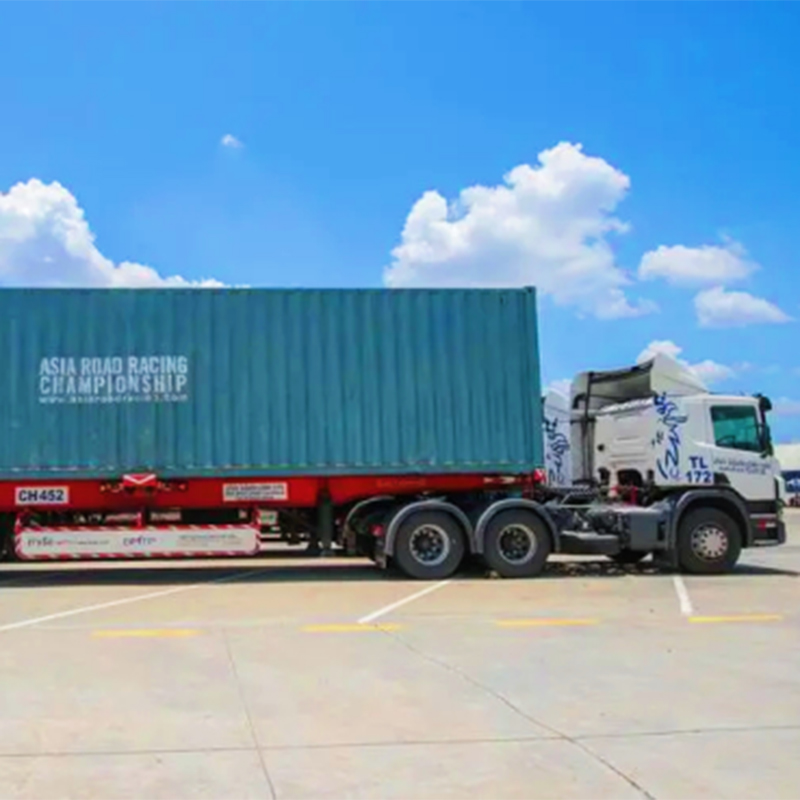

Fcl And Lcl In Ocean Logistics Management Is The Best Stands Out
When it comes to ocean logistics management, understanding the difference between Full Container Load (FCL) and Less-than-Container Load (LCL) is crucial for global buyers looking to optimize their shipping processes. FCL allows for the shipment of large quantities of goods in a dedicated container, which often results in lower shipping costs per unit and reduced transit times. This method is ideal for businesses that have consistent and substantial volume requirements, as it ensures that the entire container is reserved exclusively for their products. On the other hand, LCL provides flexibility for companies that don't have enough volume to fill a container. By consolidating shipments with other cargo, LCL offers an economical solution for smaller shipments. This method enables global buyers to access international markets without committing to the full costs associated with FCL. Both FCL and LCL have their benefits, but choosing the right option depends on factors such as volume, urgency, and budget considerations. Understanding these logistics strategies can significantly influence a company's supply chain efficiency and overall cost-effectiveness, making them invaluable tools in any procurement process.
Fcl And Lcl In Ocean Logistics Management Is The Best Stands Out
| Service Type | Description | Transit Time (Days) | Ideal For | Advantages |
|---|---|---|---|---|
| FCL (Full Container Load) | Container is exclusively used for one shipment. | 20-30 | Large shipments and bulk cargo. | Cost-effective for large volumes. |
| LCL (Less than Container Load) | Container shared between multiple shipments. | 25-40 | Smaller shipments and individual items. | Flexible for varying shipment sizes. |
| Estimated Costs | Varies based on the route and service. | N/A | All sizes of shipments. | Provides a cost basis for budgeting. |
| Customs Clearance | Necessary for international shipping. | N/A | All shipments. | Ensures compliance with regulations. |
Related Products

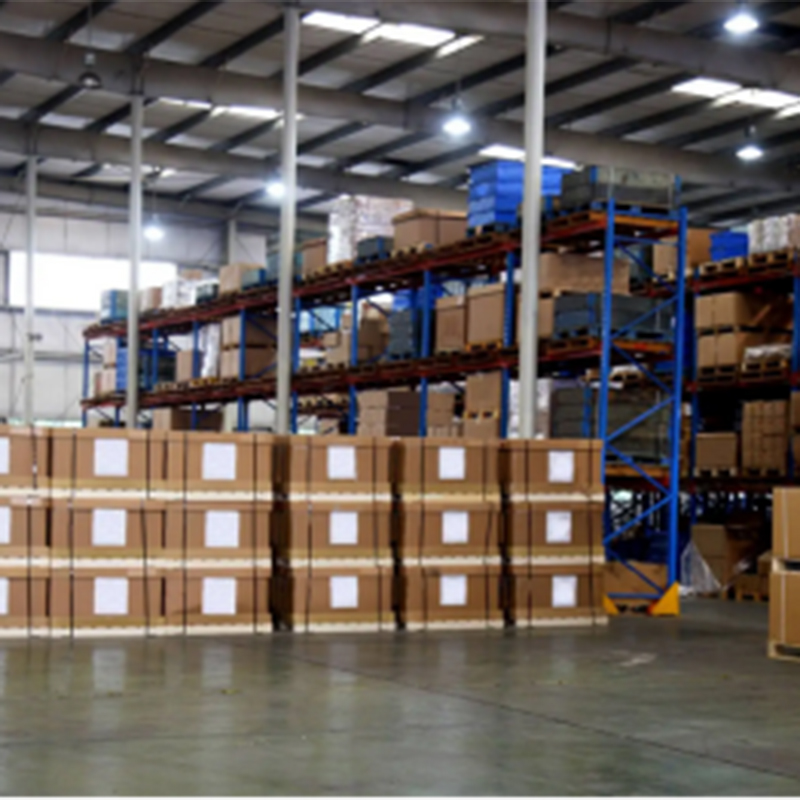
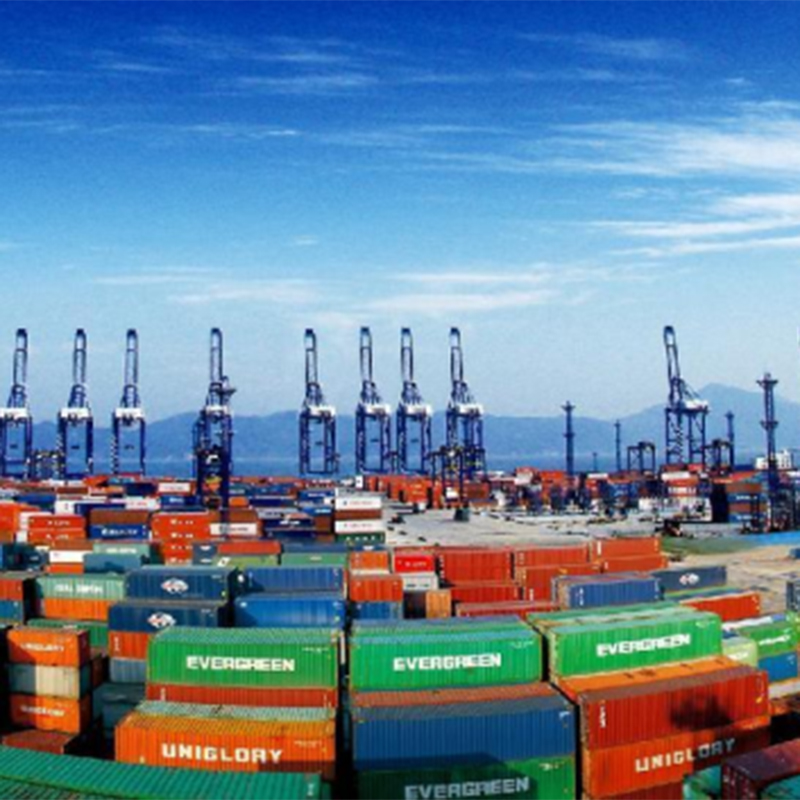
Fcl And Lcl In Ocean Logistics Management Service Ahead of the Curve
Top Selling Products
- Related Blog
- Reviews
