

Panalpina Freight for OEMs and Suppliers: Reliable Logistics Solutions
When it comes to reliable shipping solutions, Panalpina Freight stands out, especially for OEMs and suppliers like us. I’ve seen how their comprehensive logistics services streamline our supply chain, making it easier to manage shipments across the globe. Their expertise in handling various cargo types ensures that our products are delivered safely and on time, which is crucial for our business growth. Whether we need air freight for time-sensitive materials or sea freight for bulk shipments, Panalpina's tailored solutions fit our needs perfectly. What I appreciate the most is their commitment to transparency and customer service, which keeps me informed at every step of the process. Partnering with Panalpina Freight has not just simplified our logistics but also allowed us to focus more on what really matters – growing our business and maintaining strong relationships with our clients. If you’re an OEM or supplier looking for a dependable freight partner, I can vouch for their services.


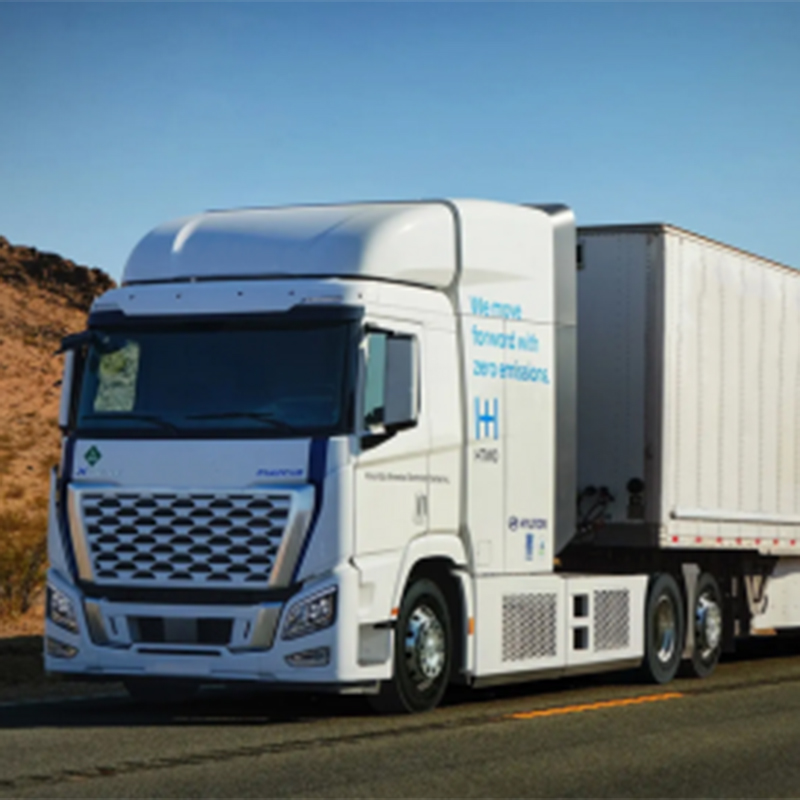
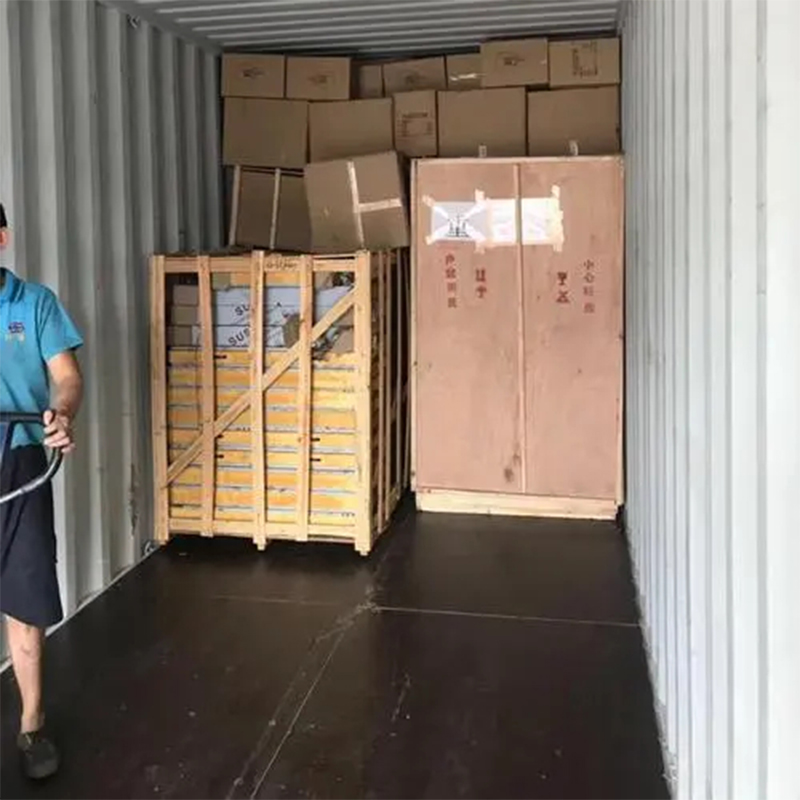
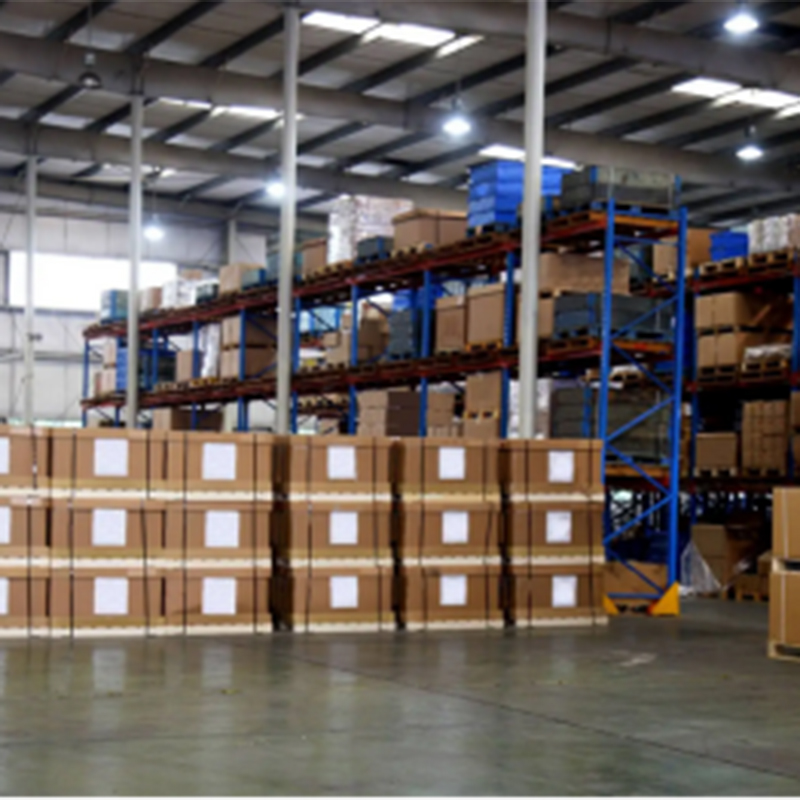

Panalpina Freight Application From Concept to Delivery
In today’s interconnected world, procurement professionals are constantly seeking reliable partners who can streamline their supply chain processes from concept to delivery. The freight application industry has evolved into a vital component supporting global trade, enabling businesses to optimize logistics operations and enhance efficiency. With the right freight application, enterprises can manage shipments with precision, ensuring timely deliveries and reducing operational costs. At the heart of an effective freight application are features designed to facilitate seamless communication across all stages of the shipping journey. From initial booking through real-time tracking to final delivery confirmation, these tools offer transparency and insight, empowering procurement teams to make informed decisions. Additionally, data analytics capabilities allow businesses to identify trends and inefficiencies, providing opportunities for continuous improvement within their logistics strategies. By leveraging innovative freight applications, procurement professionals can enhance their ability to respond to market demands quickly, ensuring that goods are delivered exactly when and where they are needed. This agility not only strengthens supply chains but also fosters better relationships with suppliers and customers alike, ultimately driving growth in an increasingly competitive marketplace. Embracing these technologies is essential for businesses looking to thrive in the global economy.
Panalpina Freight Application From Concept to Delivery
| Phase | Description | Key Activities | Responsible Team | Timeline |
|---|---|---|---|---|
| Concept | Initial Ideation and Plans | Market Research, Feasibility Study | Planning Team | 2 Weeks |
| Design | Creating Detailed Plans | Design Specifications, Prototyping | Design Team | 4 Weeks |
| Development | Building and Testing the Solution | Development, Testing | Development Team | 6 Weeks |
| Implementation | Launching the Application | Deployment, User Training | Implementation Team | 3 Weeks |
| Delivery | Final Product Delivery | Monitoring, Feedback Collection | Support Team | Ongoing |
Related Products
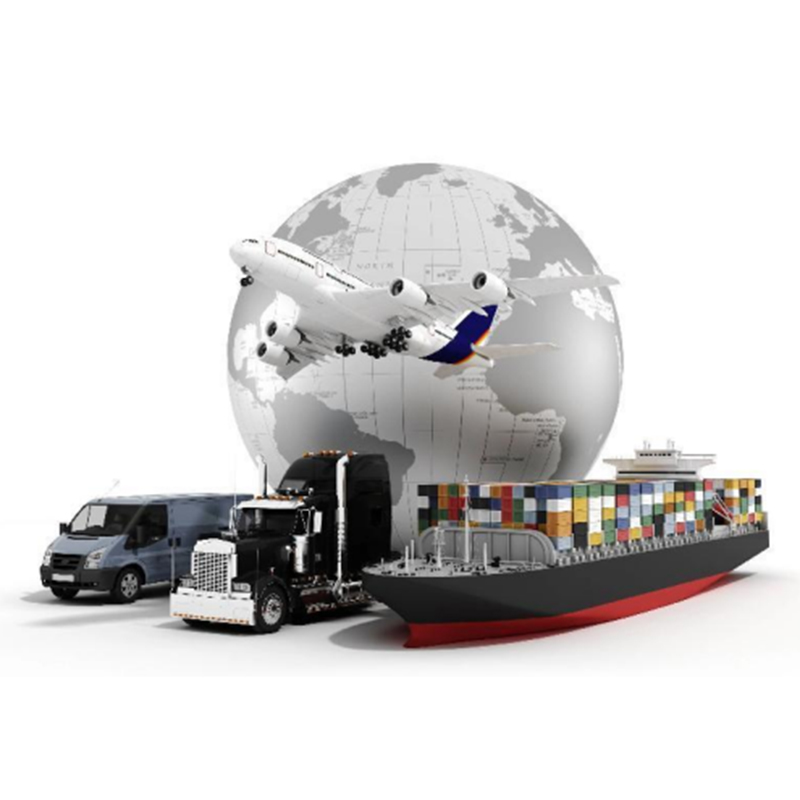


Panalpina Freight Dominates in 2025
Top Selling Products
- Related Blog
- Reviews
