

Optimize International Cold Chain Logistics with ODM Factory Solutions
When it comes to maintaining the integrity of temperature-sensitive goods, I trust our International Cold Chain Logistics solutions. We specialize in providing seamless transportation and storage services that ensure your products stay fresh and compliant throughout the supply chain. Working with an ODM, I understand the importance of reliability and efficiency in operations. That's why our factory-backed logistics guarantee that your perishable items are handled with utmost care, utilizing cutting-edge technology to monitor conditions in real time. Whether you're shipping pharmaceuticals, seafood, or any temperature-sensitive products, our expertise in cold chain management means you can focus on growing your business while we take care of the logistics. I truly believe our commitment to quality and transparency sets us apart, ensuring that your goods arrive safely and on time, every time. Let’s collaborate to enhance your supply chain efficiency!

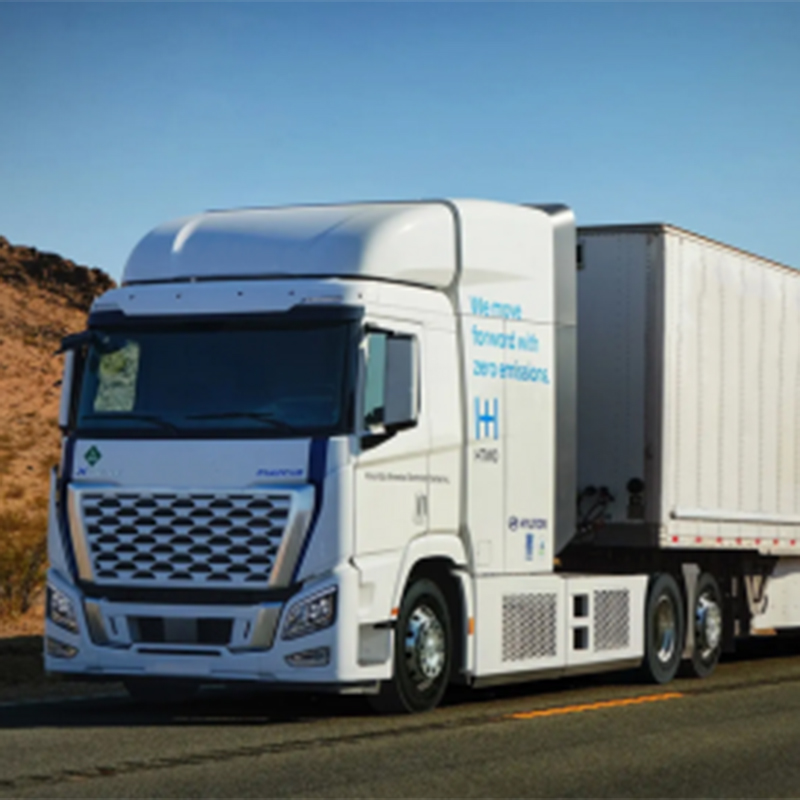
International Cold Chain Logistics Pioneers in the Field Where Innovation Meets 2025
As global markets continue to expand, the demand for efficient and reliable cold chain logistics has never been higher. In 2025, the intersection of innovation and logistics is set to redefine the landscape of temperature-sensitive supply chains. With a focus on cutting-edge technologies and sustainable practices, industry leaders are pioneering solutions that ensure the safe transportation of perishable goods across vast distances. These advancements are not only enhancing product quality and safety but also driving cost efficiencies, benefiting businesses and consumers alike. The shift towards automation and real-time monitoring is a game-changer in the cold chain sector. With the integration of IoT devices and data analytics, logistics providers can now track shipments in real-time, ensuring that temperature fluctuations are swiftly addressed to maintain product integrity. Moreover, the use of advanced packaging solutions, including temperature-controlled containers and vacuum insulation technologies, is further minimizing spoilage rates, ultimately allowing businesses to meet the growing demands of global consumers. In this dynamic environment, collaborations between logistics providers, manufacturers, and retailers are essential. By leveraging innovative technologies and sharing best practices, stakeholders can create a robust network that not only streamlines operations but also enhances customer satisfaction. As we move towards 2025, a commitment to innovation and sustainability will be crucial for those looking to thrive in the competitive landscape of international cold chain logistics.
International Cold Chain Logistics Pioneers in the Field Where Innovation Meets 2025
| Category | Innovative Technology | Geographic Region | Sustainability Initiatives | Market Trends |
|---|---|---|---|---|
| Pharmaceuticals | Smart Container Technologies | North America | Use of Renewable Energy | Increased Demand for Biologics |
| Food & Beverage | IoT-Enabled Tracking | Europe | Reduction of Carbon Footprint | Growth of Plant-Based Products |
| Floral | Temperature-Controlled Transport | South America | Waste Reduction Programs | Rising E-commerce Sales |
| Health Care | Blockchain for Traceability | Asia-Pacific | Circular Economy Practices | Telehealth Expansion |
Related Products
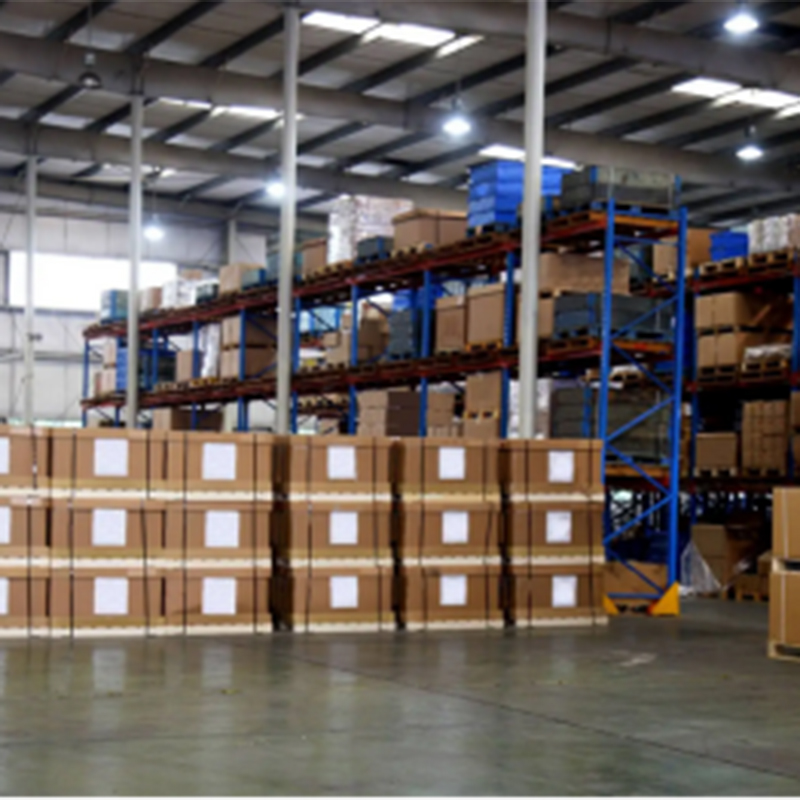
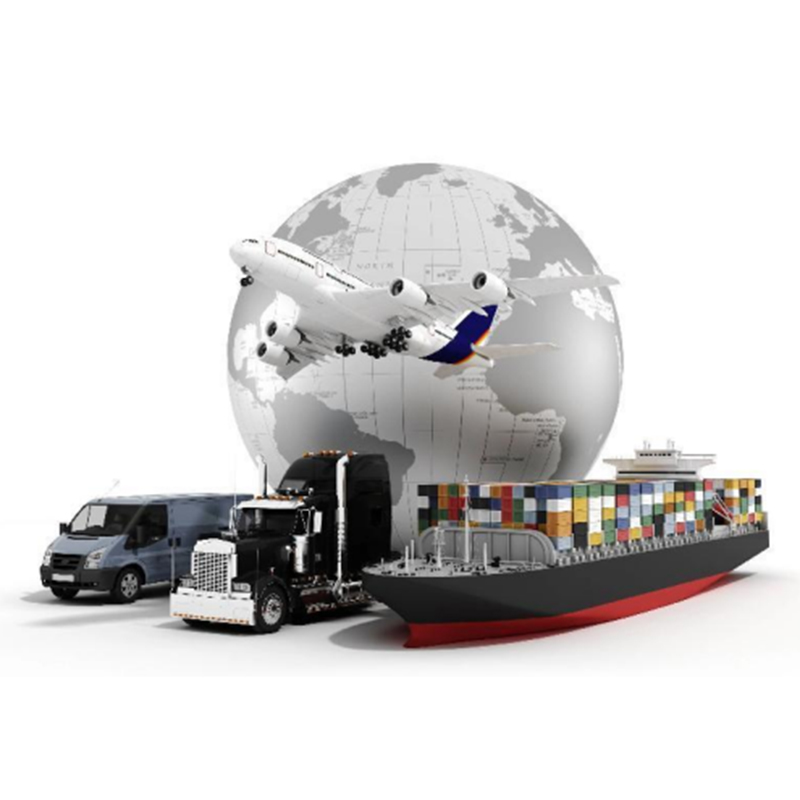


International Cold Chain Logistics in 2025 Sets the Industry Standard
Top Selling Products
- Related Blog
- Reviews
